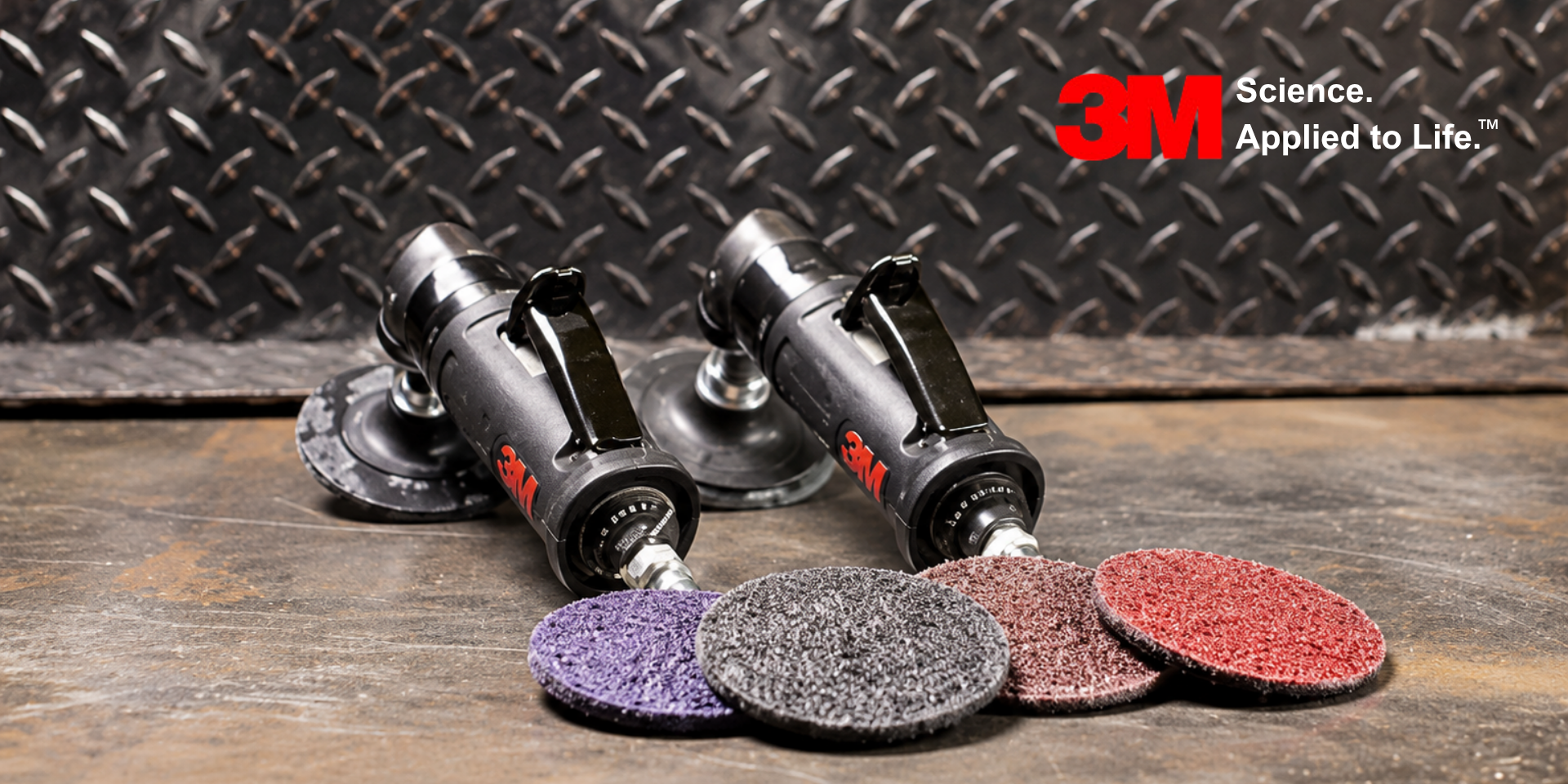
Abrasive disc replacement is necessary when a disc can no longer deliver consistent cutting performance, surface quality, or safe operation. In metalworking applications, continuing to use a worn or damaged abrasive disc can increase processing time, generate excessive heat, and affect the finished surface.
However, not every reduction in performance means the disc has reached the end of its service life. Some issues can be corrected through cleaning or adjustments, while others require immediate replacement.
5 Signs It’s Time for Abrasive Disc Replacement
Recognising the difference between normal wear and disc failure helps operators maintain consistent results without replacing usable abrasives unnecessarily.
1. Cutting Performance Has Significantly Decreased
One of the clearest signs of abrasive disc wear is reduced material removal. Operators may notice that grinding, sanding, or finishing takes longer than usual, even when working with the same material.
Common indicators include:
- Slower cutting or grinding speed
- Increased pressure needed to remove material
- Longer processing time
- Reduced efficiency despite normal operating conditions
If performance remains poor after checking the operating speed, pressure, and disc condition, replacement may be necessary.
2. The Abrasive Surface Becomes Loaded
Loading occurs when metal particles, paint, or other removed materials accumulate between abrasive grains. This buildup prevents the abrasive surface from cutting effectively.
A loaded disc may show visible debris, reduced cutting efficiency, or increased friction during operation.
Some abrasive products can be cleaned or conditioned according to manufacturer instructions. However, if loading cannot be removed or performance does not recover, replacing the disc is generally the better option.
3. The Disc Shows Signs of Glazing
Glazing develops when abrasive grains become dull or flattened instead of cutting efficiently. The disc surface may appear unusually smooth or shiny.
Unlike loading, which involves material buildup, glazing is associated with reduced cutting ability at the abrasive surface.
Typical symptoms include:
- Smooth or polished abrasive surfaces
- Excessive heat during grinding
- Reduced material removal
- Increased pressure required to maintain performance
Depending on the abrasive type, dressing or conditioning may restore cutting action. Otherwise, the disc should be replaced.
4. Visible Cracks, Tears, or Edge Damage Appear
Physical damage is a critical reason for immediate abrasive disc replacement. Cracks, tears, damaged backing materials, or irregular edges can compromise the disc’s structural integrity.
Operators should inspect the disc for:
- Cracks or fractures
- Torn or separated backing
- Chipped or damaged edges
- Deformation or unusual wear patterns
- Loose or damaged attachment components
Never continue operating a damaged abrasive disc. Stop the equipment, remove the disc safely, and replace it with a compatible product.
5. Surface Finishing Results Become Inconsistent
A worn abrasive disc may produce uneven scratches, irregular surface textures, or inconsistent finishing results.
For example, an abrasive previously used to achieve a uniform metal finish may begin leaving deeper scratches or uneven patterns.
Before replacing the disc, check whether the issue comes from incorrect pressure, contamination, or unsuitable grit selection. If the disc is worn and cannot maintain the required finish, replacement is recommended.
Abrasive Disc Problems and Recommended Actions
Not every abrasive issue requires the same response. The following table helps operators determine whether an abrasive disc can remain in service.
| Disc Condition | Recommended Action |
|---|---|
| Reduced cutting performance | Check operating conditions and replace if performance cannot be restored |
| Material loading | Clean if permitted; replace if buildup persists |
| Glazed abrasive surface | Dress or condition if suitable; otherwise replace |
| Cracks, tears, or physical damage | Stop immediately and replace |
| Inconsistent surface finish | Check technique and grit; replace if the disc is worn |
Physical damage requires immediate attention, while performance-related issues may need further inspection before deciding on replacement.
How to Extend Abrasive Disc Service Life
Although abrasive disc replacement is unavoidable, proper operating practices can help reduce premature wear.
- Use appropriate pressure: Excessive force can accelerate abrasive wear and generate unnecessary heat.
- Match the abrasive to the material: Different metals and finishing requirements may require different abrasive constructions.
- Maintain correct operating speed: Follow the manufacturer’s recommended operating conditions and never exceed the disc’s maximum rated speed.
- Prevent excessive loading: Use suitable abrasives and permitted cleaning methods for materials prone to buildup.
- Store discs properly: Protect abrasive products from moisture, contamination, impact, and deformation.
Regular inspection also helps identify deterioration before it affects production quality or workplace safety.
Choosing Suitable 3M Abrasive Discs for Replacement
Choosing the right abrasive disc replacement depends on the material, application, and required surface finish. Different disc types also have different wear patterns and service lives, meaning replacement timing may vary.
ISQ Holdings offers several 3M abrasive discs for different metalworking applications.
| 3M Abrasive Product | Disc Type | Suitable Application |
|---|---|---|
| 3M Cubitron 3 Fibre Disc | Fibre disc | Heavy grinding, weld removal, and material removal |
| 3M Cubitron II Fibre Disc | Fibre disc | Metal grinding and surface preparation |
| 3M Roloc Disc 361F | Quick-change abrasive disc | Grinding, blending, and finishing in smaller areas |
| 3M Cubitron II Hookit Paper Disc 950U | Paper-backed sanding disc | Sanding and surface preparation |
| 3M Flap Disc 769F | Flap disc | Weld blending, grinding, and finishing |
When should each disc be replaced?
Replacement timing varies depending on the disc type, abrasive wear, operating pressure, and material being processed. For example, fibre discs may lose cutting efficiency, paper discs may experience loading or backing damage, while flap discs gradually wear down through their abrasive layers.
Rather than following a fixed replacement schedule, inspect each disc regularly and replace it when performance deteriorates beyond recovery or when physical damage appears.
Before selecting a replacement, always check the disc size, abrasive grade, attachment system, maximum operating speed, and equipment compatibility.
Find Suitable Abrasive Replacement Solutions at ISQ Holdings
Timely abrasive disc replacement helps maintain cutting efficiency, consistent finishing quality, and safer metalworking operations. Understanding whether a disc is loaded, glazed, worn, or physically damaged allows operators to make more informed replacement decisions.
For businesses sourcing industrial abrasives in Malaysia, ISQ Holdings provides 3M abrasive solutions for different grinding, deburring, and surface finishing requirements.
Explore the available abrasive products or contact ISQ Holdings to find suitable solutions for your industrial applications.
Frequently Asked Questions
1. How often should an abrasive disc be replaced?
There is no universal replacement interval. Disc lifespan depends on the abrasive type, material, operating conditions, and frequency of use.
2. Can a loaded abrasive disc be reused?
Some loaded discs can be cleaned using manufacturer-approved methods. Replace the disc if cleaning does not restore its performance.
3. What is the difference between glazing and loading?
Loading occurs when removed material accumulates on the abrasive surface, while glazing occurs when abrasive grains become dull and lose cutting efficiency.
4. Is it safe to use an abrasive disc with a small crack?
No. Cracked or structurally damaged abrasive discs should be removed from service immediately.
5. Does ISQ Holdings supply 3M abrasive products in Malaysia?
ISQ Holdings offers industrial abrasive solutions, including selected 3M products, for metalworking and surface preparation applications in Malaysia.