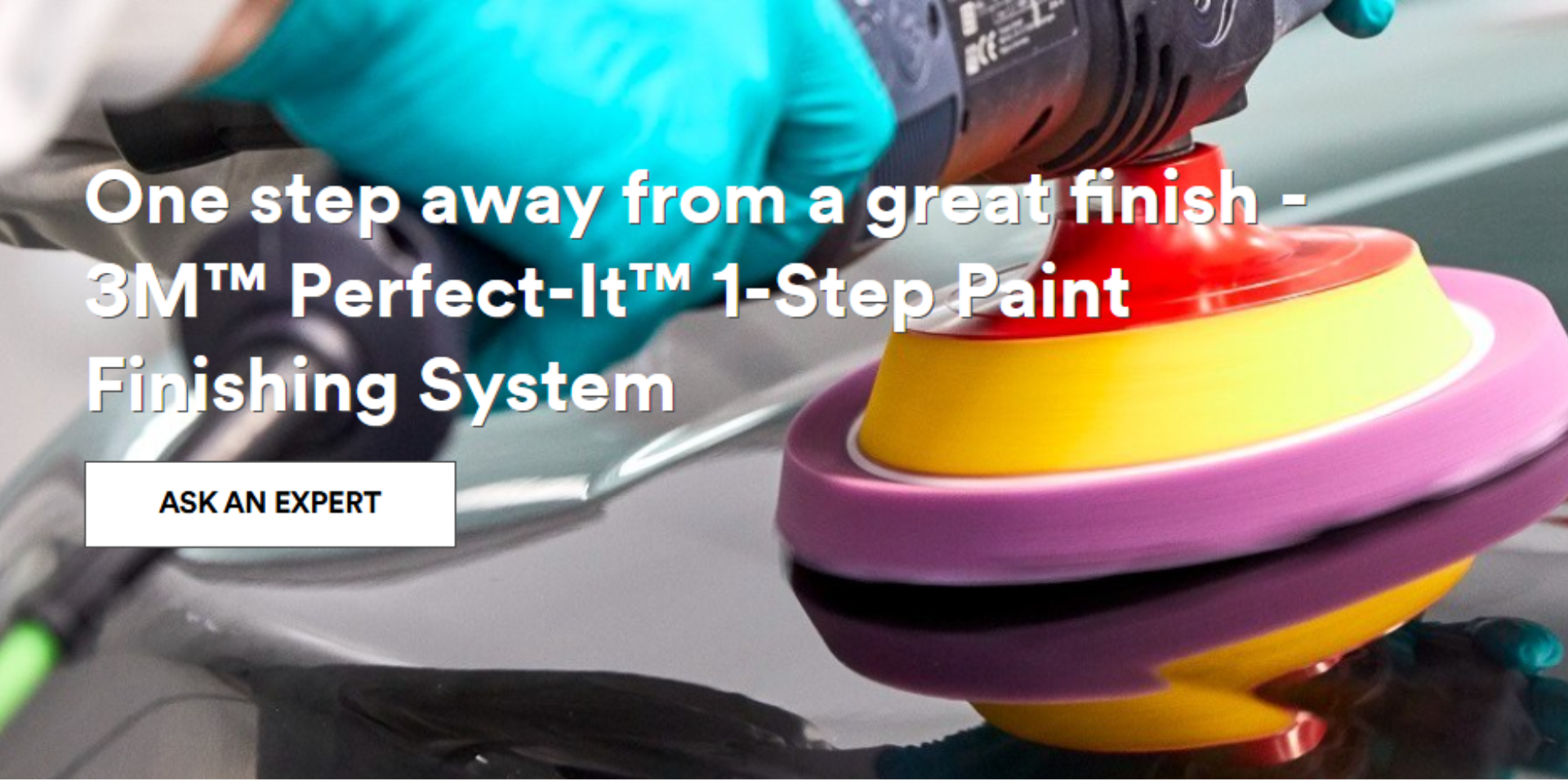
Car polishing mistakes can lead to swirl marks, uneven gloss, excessive clear coat removal, and additional correction work. For automotive workshops and professional detailers, these problems often result from unsuitable polishing compounds, contaminated pads, or incorrect machine techniques.
Understanding the most common mistakes can help professionals maintain paint quality, minimise rework, and achieve more consistent finishing results.
5 Common Car Polishing Mistakes and How to Avoid Them
Even experienced detailers can encounter polishing problems when working with different paint conditions, equipment, and finishing products. The following mistakes are worth avoiding to maintain consistent results.
1. Using the Wrong Polishing Compound
Not every paint defect requires an aggressive cutting compound. Using a heavy compound on minor swirl marks may remove more clear coat than necessary, while a mild polish may be insufficient for deeper imperfections.
How to avoid it: Inspect the paint condition before polishing. Begin with a test spot using the least aggressive combination likely to achieve the desired correction.
2. Applying Too Much Pressure
Excessive pressure can increase friction and heat during machine polishing. This may lead to uneven correction, premature pad wear, or damage to sensitive paint surfaces.
How to avoid it: Use controlled pressure, appropriate machine speed, and consistent movement. Follow the polishing product and equipment manufacturer’s recommendations.
3. Using Dirty or Incorrect Polishing Pads
Polishing pads affect how compounds interact with the paint surface. A contaminated pad may introduce new scratches, while an unsuitable pad can produce inconsistent cutting or finishing results.
How to avoid it: Select pads according to the correction stage and keep them clean throughout the process. Replace damaged or heavily contaminated pads rather than continuing to use them.
4. Polishing Without Proper Surface Preparation
Dust, dirt, and embedded contaminants can interfere with polishing and potentially scratch the paint when trapped between the pad and surface.
How to avoid it: Wash and decontaminate the vehicle before polishing. Inspect the paint under suitable lighting and ensure the surface is clean before starting machine correction.
5. Skipping the Final Finishing Stage
A surface may appear smooth after compounding but still contain fine haze, micro-marring, or holograms. Stopping too early can leave the paint looking dull or uneven under direct lighting.
How to avoid it: Inspect the corrected area and perform a finer polishing stage when necessary. Use an appropriate finishing pad and polish to refine the surface and improve clarity.
Recommended 3M Products for Automotive Surface Finishing
Avoiding polishing defects also depends on using suitable products for each correction stage. Different abrasives and polishing accessories serve different purposes, from removing surface imperfections to refining the final finish.
ISQ Holdings supplies 3M products that support automotive surface preparation and finishing applications.
| 3M Product | Main Function | Suitable Application |
|---|---|---|
| 3M Perfect-It III Polishing Pad Yellow (50488) | Medium-soft foam polishing pad | Refining light scratches, swirl marks, and holograms with a compatible polish |
| 3M Finesse-it PSA Film Disc 466LA | Precision abrasive film disc | Controlled sanding and removal of surface defects before polishing |
3M Perfect-It III Polishing Pad Yellow (50488)
The 3M Perfect-It III Polishing Pad Yellow is designed for machine polishing applications. Its foam construction supports controlled polishing when paired with a compatible compound or polish.
It can be used during paint refinement to help achieve a more consistent finish while reducing visible imperfections.
FEATURED PRODUCT
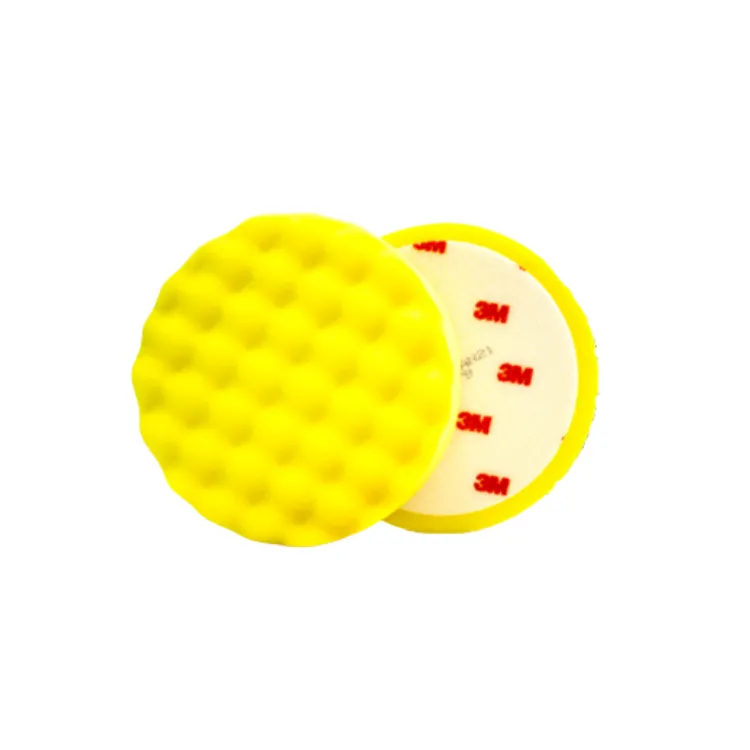
3M 50488 Perfect-It III Polishing Pad Yellow
Durable yellow foam polishing pad with a waffle-face design for refining fine scratches, swirl marks, and holograms. Features hook-and-loop attachment and is designed for use with compatible fine polishing compounds.
3M Finesse-it PSA Film Disc 466LA
The 3M Finesse-it PSA Film Disc 466LA is a precision abrasive product used for controlled surface defect removal.
Unlike a polishing pad, this abrasive film disc is intended for sanding applications before subsequent polishing or finishing processes. Its suitability depends on the surface material, abrasive grade, and required correction.

FEATURED PRODUCT
3M™ Finesse-it™ PSA Film Disc Roll 466LA
Precision finishing abrasive with micron-graded minerals, durable polyester film backing, and PSA attachment. Designed for controlled wet sanding and consistent surface preparation before buffing and polishing.
Quick Checklist Before Polishing a Car
Before starting automotive paint correction, review these essential factors to reduce avoidable mistakes.
| What to Check | Recommended Action |
|---|---|
| Paint condition | Identify scratches, swirl marks, and surface defects |
| Surface cleanliness | Remove dirt and embedded contaminants |
| Polishing compound | Choose an appropriate level of cutting or finishing |
| Polishing pad | Match the pad to the compound and correction stage |
| Machine settings | Adjust speed and pressure according to the product instructions |
| Final inspection | Check for haze, holograms, and uneven gloss |
A consistent preparation and inspection process helps automotive professionals achieve better finishing results with less unnecessary rework.
Achieve Better Automotive Finishing with ISQ Holdings
Avoiding common car polishing mistakes requires proper preparation, suitable abrasives, and controlled polishing techniques. Matching the right products to each correction stage can help automotive professionals maintain consistent paint quality and reduce unnecessary rework.
For automotive workshops and professional detailers in Malaysia, ISQ Holdings supplies 3M automotive surface finishing products, including Perfect-It polishing accessories and Finesse-it precision abrasives.
Explore the available products or contact ISQ Holdings to find suitable solutions for your automotive finishing requirements.
Frequently Asked Questions
1. Can polishing damage car paint?
Yes. Excessive polishing, aggressive compounds, or improper techniques can remove too much clear coat and damage the finish.
2. Why do swirl marks appear after polishing?
Swirl marks may result from contaminated pads, unsuitable polishing combinations, or incomplete paint correction.
3. Is compounding the same as polishing?
No. Compounding generally uses stronger abrasives for defect removal, while polishing refines the surface and improves gloss.
4. Should every car be polished with a machine?
No. The appropriate method depends on the paint condition, correction requirements, and available equipment.