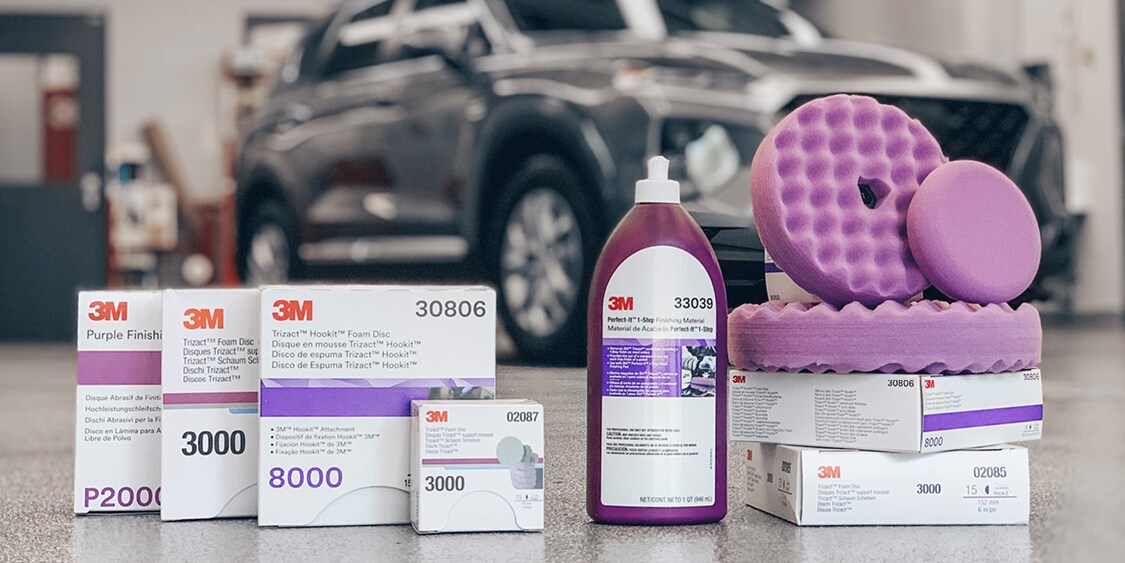
Car polishing compound is used in automotive paint correction to reduce surface imperfections and restore a smoother, more refined paint finish. It can help address issues such as swirl marks, light scratches, oxidation, and other surface defects.
For professional automotive care, choosing the right car polishing compound depends on the paint condition, required correction level, polishing pad, machine, and desired finish.
What Is a Car Polishing Compound?
Car polishing compound is an abrasive product used to correct and refine automotive paint by reducing surface imperfections. Its main uses include:
- Scratch reduction: Helps reduce certain surface scratches and marks.
- Swirl mark removal: Helps correct fine circular marks and paint imperfections.
- Oxidation removal: Helps restore paint affected by oxidation and dullness.
- Paint correction: Provides different levels of cutting action depending on the product.
- Surface refinement: Finer compounds and polishes can improve smoothness and finish.
When choosing a product for paint correction, it is also important to understand how polishing compound compares with other abrasive products. Polishing compound is generally intended for finer correction and surface refinement, while rubbing compound typically provides more aggressive cutting for heavier paint defects.
How to Choose a Car Polishing Compound
Choosing the right car polishing compound starts with assessing the paint condition and identifying the level of correction required. Consider the desired finish, polishing pad, machine, and overall application process before selecting a product.
1. Assess the Paint Condition
Identify whether the surface has light swirls, scratches, oxidation, or heavier defects. The severity and type of imperfection help determine the level of correction required.
2. Determine the Required Cut
Choose a compound based on how much material removal is needed to correct the defect. A more aggressive product is not always necessary when a finer compound can achieve the required result.
3. Consider the Desired Finish
The required finish also influences product selection, especially when moving from correction to refinement. Finer polishing products can help improve surface smoothness and gloss after more intensive correction.
4. Match the Pad and Machine
The compound should be matched with a suitable polishing pad and machine for the intended application. The combination of product, pad, machine, and technique can affect both correction performance and final finish.
5. Consider the Application
Professional detailing and workshop applications may have different requirements for efficiency, consistency, and repeatability. Choose a product that fits the vehicle condition, polishing process, and expected workload.
Car Polishing Compound for Different Applications
The right car polishing compound depends on the type of correction and the requirements of the automotive application. Different paint conditions and workflows may call for different levels of cutting and finishing.
| Application | Main Purpose |
| Light paint correction | Reduce minor swirls, fine defects, and surface imperfections |
| Heavy paint correction | Address more severe defects requiring higher cutting action |
| Finishing and gloss enhancement | Refine the surface and improve the final appearance |
| Professional detailing | Support consistent correction and finishing results |
| Automotive workshops | Prioritise efficiency, product compatibility, and consistent results |
Find the Right Polishing Solution for Your Application
For professional automotive applications, choosing the right polishing products can help businesses achieve consistent correction and finishing results across different paint conditions. This makes product range, application suitability, and supplier support important when sourcing automotive polishing solutions.
ISQ Holdings offers a range of 3M automotive polishing and compounding products, including 3M™ Perfect-It™ EX Ultrafine Machine Polish, 3M™ Perfect-It™ Extra Fine Plus Compound, 3M™ Perfect-It™ Fast Cut Plus Extreme, 3M™ Perfect-It™ Ultrafina SE Polish, and 3M™ Perfect-It™ EX AC Rubbing Compound.
The range also includes 3M 06094 Perfect-It EX Machine Polish, 3M PN05974 Rubbing Compound, and polishing and compounding pads for different automotive applications. Talk to ISQ Holdings to find a suitable polishing solution for your paint correction requirements.
FAQ
1. Can car polishing compound remove scratches?
It can reduce certain surface scratches and defects, but the result depends on scratch depth, paint condition, compound cut, pad, and polishing technique.
2. Does the polishing compound remove the clear coat?
Yes, polishing is an abrasive process that can remove a small amount of clear coat. The amount depends on the product, pad, machine, and polishing process.
3. Should I use a rubbing compound or polishing compound first?
It depends on the paint condition and correction required. Heavier defects may require a cutting compound before a finer polishing stage.
4. Can the same compound be used with different polishing pads?
A compound can often be paired with different pads, but the resulting cut and finish can change significantly. Always follow the product manufacturer’s recommended application method.
5. How do I know which polishing compound I need?
Assess the paint defects, required correction level, desired finish, and polishing setup first. Product specifications and compatibility with the selected pad and machine should then guide the final choice.