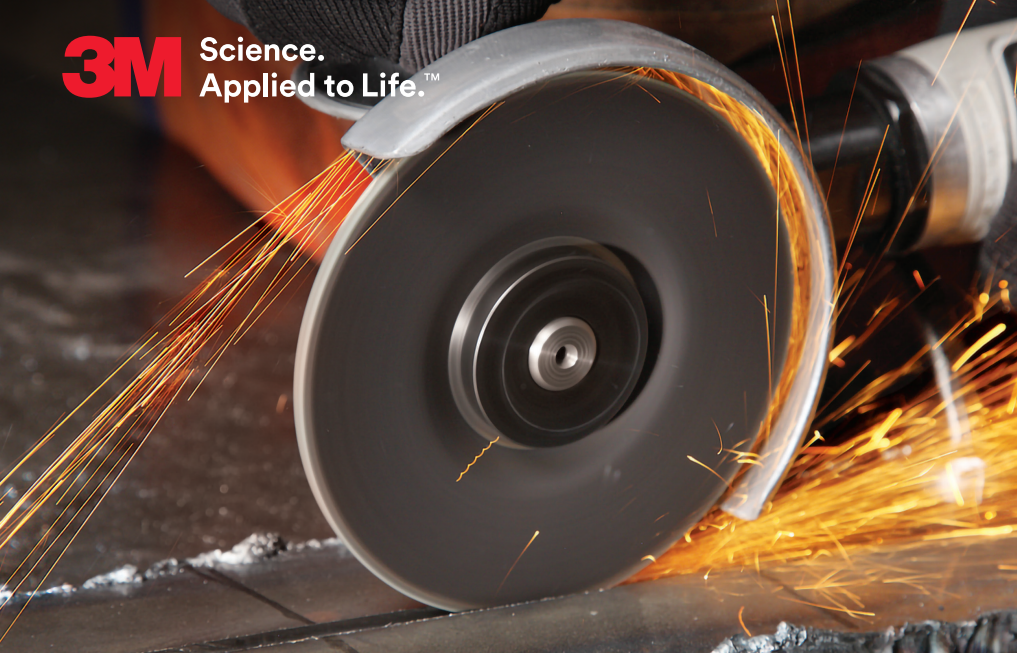
A cutting disc comes in various types and specifications, and choosing one is not simply about picking any disc that fits your tool.
The right choice depends on the material, application, and equipment, so understanding the differences can help you get better cutting performance and safer results.
What Is a Cutting Disc?
A cutting disc is a thin abrasive wheel designed to cut and separate materials with a narrow, controlled cut. It is commonly used with angle grinders and other compatible cutting equipment.
Available in different sizes, thicknesses, and abrasive compositions, cutting discs can be used on materials such as steel, stainless steel, aluminium, concrete, and masonry. They are widely used in fabrication, manufacturing, automotive, construction, and maintenance.
Types of Cutting Discs
Cutting discs vary by material, application, and construction. Here are the most common types.
| Type of Cutting Disc | Specific Use |
| Metal Cutting Disc | Cutting steel, metal sheets, bars, and pipes |
| Stainless Steel Cutting Disc | Cutting stainless steel for fabrication and maintenance |
| Aluminium Cutting Disc | Cutting aluminium and other softer metals |
| Stone & Masonry Cutting Disc | Cutting concrete, brick, stone, and masonry |
| Diamond Cutting Disc | Cutting hard materials such as concrete, tiles, and stone |
1. Metal Cutting Disc
Metal cutting discs are designed for cutting materials such as mild steel and other common metals. The appropriate disc specification depends on the material thickness and cutting application.
2. Stainless Steel Cutting Disc
Stainless steel requires a cutting disc suitable for the material to achieve efficient cutting and minimise contamination risks. Always check the product specification before using a disc on stainless steel.
3. Aluminium Cutting Disc
Aluminium is softer than many other metals and can require an abrasive disc designed for the application. Using a suitable disc helps reduce loading and maintain cutting performance.
4. Stone and Masonry Cutting Disc
Masonry cutting discs are used for materials such as brick, concrete, and stone. The disc should be selected according to the material and the cutting equipment being used.
5. Diamond Cutting Disc
Diamond cutting discs use diamond segments or particles to cut hard materials efficiently. They are commonly used for applications involving concrete, masonry, tiles, and other hard materials.
How to Choose the Right Cutting Disc
Choosing the right cutting disc starts with matching it to the material, tool, and application.
1. Match the Material
Start by identifying the material you need to cut, such as steel, stainless steel, aluminium, concrete, or stone. Different materials can require different abrasive formulations and disc specifications.
2. Check the Disc Size
The disc diameter must be compatible with the power tool being used. Common sizes vary by tool and application, so always follow the equipment and disc manufacturer’s specifications.
3. Consider Disc Thickness
Disc thickness affects cutting characteristics and application suitability. Thinner discs can provide faster, cleaner cuts in some applications, while thicker discs may be selected for different cutting requirements.
4. Check the RPM Rating
Always check the maximum RPM marked on the cutting disc before use. The disc’s rated speed should be compatible with the operating speed of the tool.
5. Consider the Application
The best cutting disc can vary depending on whether it is being used for fabrication, maintenance, automotive work, or construction. Consider the material, cutting frequency, required finish, and working conditions before selecting a disc.
6. Check Product Specifications
Review the manufacturer’s specifications for abrasive type, dimensions, maximum operating speed, and intended application. For industrial use, relevant standards and certification requirements should also be considered.
Cutting Disc Safety Tips
- Inspect the disc for cracks, chips, or visible damage before use.
- Check the disc dimensions and maximum RPM against your power tool.
- Use the correct tool guard and keep safety components in place.
- Wear appropriate PPE, including eye, face, and hearing protection where required.
- Avoid excessive pressure and let the disc cut at its intended operating speed.
Abrasive Solutions from ISQ Holdings
Cutting is only one part of many metalworking processes. Depending on the application, businesses may also require abrasive products for grinding, deburring, material removal, surface preparation, or finishing.
ISQ Holdings supplies a range of industrial abrasive solutions from 3M, including products from the Scotch-Brite™ range, for different metalworking and surface treatment applications.
| Type of Cutting Disc | Specific Use |
|---|---|
| Metal Cutting Disc | Cutting steel, metal sheets, bars, and pipes |
| Stainless Steel Cutting Disc | Cutting stainless steel for fabrication and maintenance |
| Aluminium Cutting Disc | Cutting aluminium and other softer metals |
| Stone & Masonry Cutting Disc | Cutting concrete, brick, stone, and masonry |
| Diamond Cutting Disc | Cutting hard materials such as concrete, tiles, and stone |
Explore ISQ’s abrasive products to find solutions suited to your specific application and material requirements.
Frequently Asked Questions
1. What is a cutting disc used for?
A cutting disc is used to cut or separate materials such as metal, stainless steel, masonry, and other hard materials. The appropriate disc depends on the material and application.
2. How do I choose the right cutting disc?
Choose a cutting disc based on the material, disc size, thickness, RPM rating, tool compatibility, and application. Always check the manufacturer’s specifications before use.
3. What is the difference between a cutting disc and a grinding disc?
A cutting disc is designed primarily to cut and separate material, while a grinding disc is designed for grinding and material removal. They should be used only for their intended applications.
4. Can a cutting disc cut stainless steel?
Yes, a suitable cutting disc can be used to cut stainless steel. Select a product specifically intended for the material and follow its application and safety specifications.
5. Can I use a cutting disc on an angle grinder?
A cutting disc can be used with an angle grinder when the disc is specifically compatible with the tool. Check the disc diameter, mounting requirements, and maximum RPM before use.
6. How long does a cutting disc last?
Cutting disc life varies based on the material, disc specification, cutting technique, pressure, and frequency of use. A suitable disc and correct operating technique can help maintain performance.